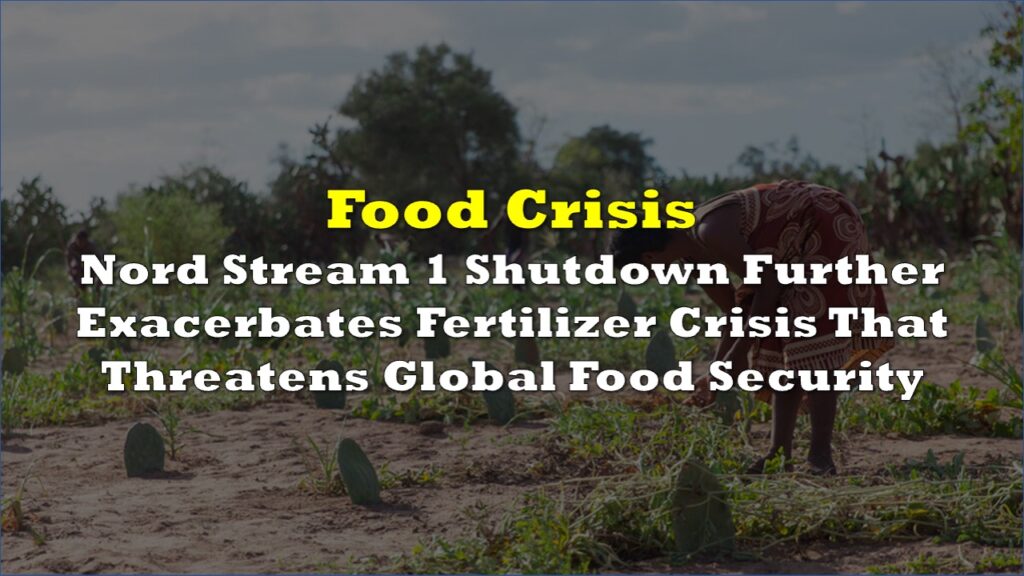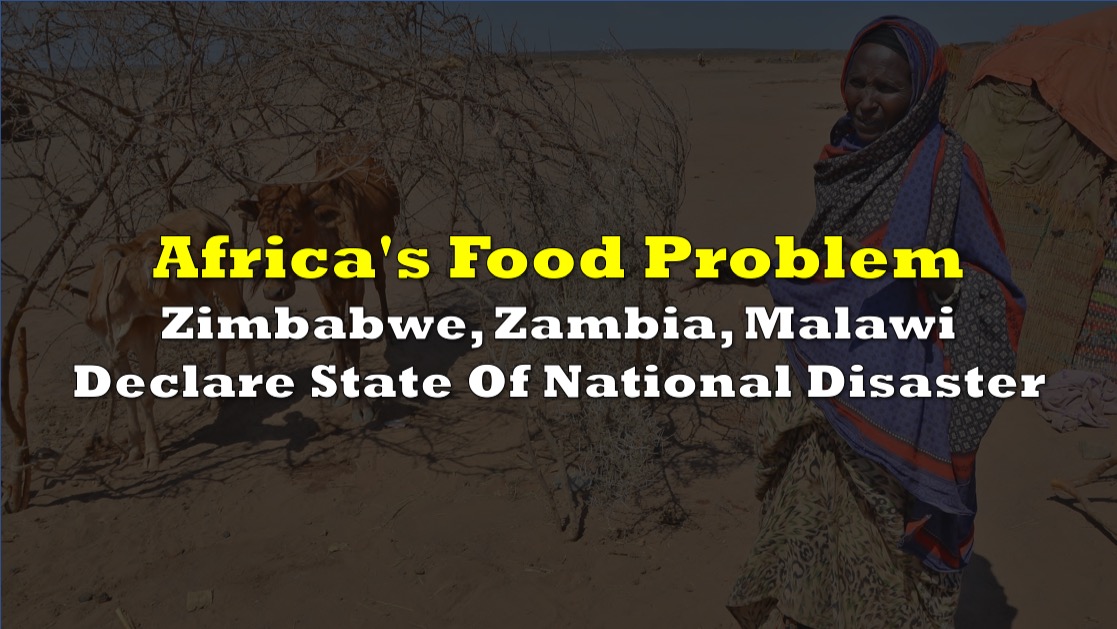

Zimbabwe has officially declared a state of disaster in response to a crippling drought that is sweeping across much of southern Africa. President Emmerson Mnangagwa announced the declaration on Wednesday, stressing the urgent need for $2 billion in humanitarian assistance to tackle the dire consequences of the drought.
The dire consequences of the grain shortage have already begun to manifest, with food prices skyrocketing and an estimated 2.7 million Zimbabweans facing imminent hunger. The severity of the crisis is underscored by the recent declarations of states of disaster by neighboring Zambia and Malawi, both also grappling with devastating drought conditions.
Mnangagwa attributed the severity of the crisis to the El Nino-induced drought, which has resulted in more than 80% of the country receiving below-normal rainfall. In a plea for international aid, he emphasized that securing food for all Zimbabweans is the top priority, stating, “No Zimbabwean must succumb to, or die from hunger.”
 Sponsored · First Phosphate Corp.
The president called upon United Nations agencies, local businesses, and faith organizations to contribute to the humanitarian efforts aimed at alleviating the suffering caused by the drought.
El Nino, a cyclical weather pattern characterized by warmer-than-average temperatures in the Pacific Ocean, typically leads to below-average rainfall in southern Africa. However, this year’s drought has been particularly severe, exacerbating food insecurity across the region.
The United Nations’ World Food Program has already initiated a food assistance program targeting 2.7 million people in Zimbabwe, representing nearly 20% of the country’s population, from January to March. Despite these efforts, Mnangagwa acknowledged that even more people than previously estimated will likely require food aid.
With over 60% of Zimbabwe’s population residing in rural areas and relying on agriculture for sustenance, the impact of the drought is acutely felt. Many households, lacking significant participation in the cash economy, struggle to afford food even when it is available in markets.
Once regarded as a regional agricultural powerhouse, Zimbabwe has increasingly relied on aid agencies to mitigate the effects of extreme weather conditions, such as heatwaves and floods, on food security.
While the declaration of a state of disaster will facilitate international support and aid mobilization, challenges remain in reaching all affected populations due to limited resources amid a global hunger crisis and reduced humanitarian funding from wealthy governments.
The situation extends beyond Zimbabwe, with much of Southern Africa grappling with a food crisis exacerbated by the ongoing drought. Calls for humanitarian assistance have also been made by Zambia and Malawi, where millions of people are facing severe food shortages.
The United States Agency for International Development has estimated that 20 million people in southern Africa required food relief between January and March, with projections suggesting that these needs could persist into early 2025 in the most severely affected areas.
Information for this briefing was found via AP News, BBC, and the sources mentioned. The author has no securities or affiliations related to this organization. Not a recommendation to buy or sell. Always do additional research and consult a professional before purchasing a security. The author holds no licenses.